Recognising and supporting the unpaid carers around us
Caring for someone you love can be one of the most rewarding things you do, but it can also bring significant responsibilities and challenges. Whether it's looking after an elderly parent, supporting a partner with a long-term health condition or helping a family member manage everyday life, many people take on caring responsibilities without ever recognising themselves as a carer.
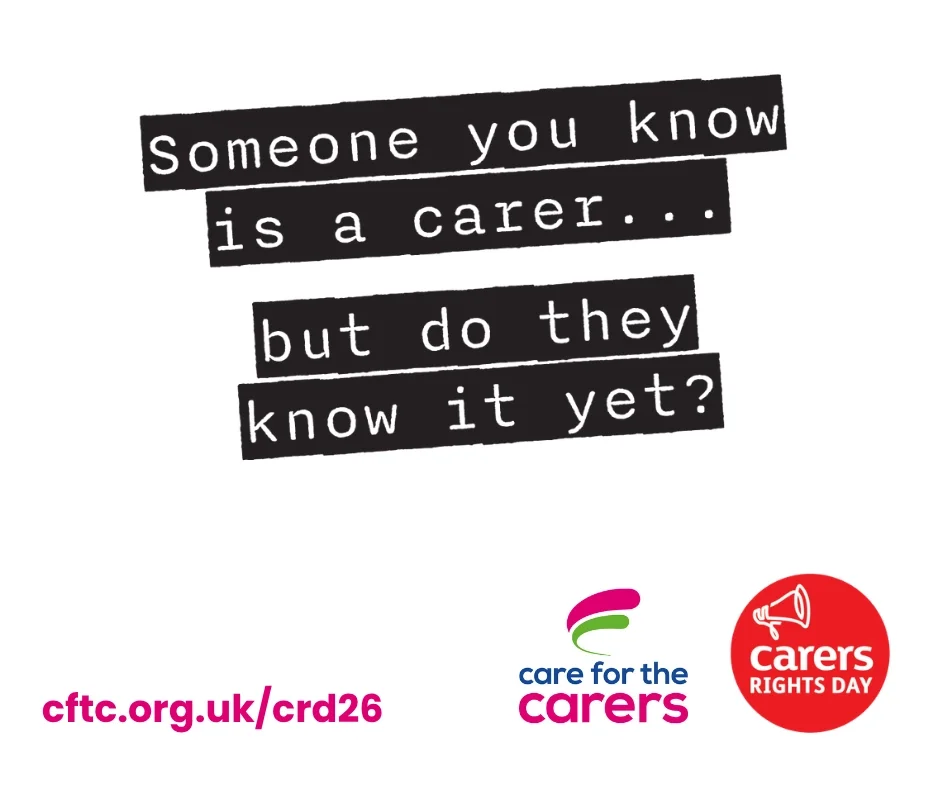
The message behind this year's Carers Rights Day campaign is: "Someone you know is a carer… but do they know it yet?"
This asks an important question, and at Loyal Bee Care Group, we believe it's important to recognise the contribution of unpaid carers and make sure they know that support is available to them too.
What is an unpaid carer?
An unpaid carer is someone who provides regular support to a family member, partner, friend or neighbour who couldn't manage without their help due to illness, disability, frailty or another health condition.
This support can take many different forms, including:
Helping with washing, dressing and personal care.
Preparing meals and helping with household tasks.
Managing medication and attending appointments.
Helping with shopping and everyday errands.
Providing emotional support and companionship.
Offering regular supervision and reassurance.
You don't have to live with the person you're supporting or provide care around the clock to be considered an unpaid carer.
For many people, caring responsibilities develop gradually. What starts as helping out occasionally can become a regular and sometimes demanding part of everyday life.
What rights do unpaid carers have?
Recognising yourself as a carer is an important first step towards understanding the support and rights available to you. In England, unpaid carers have a number of rights and entitlements, including:
1. The right to a carer's assessment
If you're an adult providing regular unpaid care, you can request a free carer's assessment through your local authority. This looks at how your caring responsibilities affect your own life, including your health, wellbeing, work and ability to maintain relationships and interests outside your caring role. It can help identify what support might make caring more manageable.
2. Support with your health and wellbeing
You can ask your GP practice to identify you as a carer on your patient record. This can help your GP understand your circumstances and ensure you're aware of relevant health and wellbeing support.
3. Rights at work
Balancing employment with caring responsibilities can be difficult. Eligible employees have the right to request flexible working from their first day of employment. There is also a statutory entitlement to up to one week of unpaid carer's leave each year to provide or arrange care for a dependant with a long-term care need.
4. Financial support
Depending on your circumstances, you may be entitled to financial assistance, including Carer's Allowance or other benefits. It's worth finding out what support you may qualify for rather than assuming you have to manage everything yourself.
Why is recognising carers so important?
Many unpaid carers put their own needs to one side while prioritising the person they're looking after. Over time, this can affect their physical health, emotional wellbeing, finances and social lives.
The demands of caring can also make it difficult to take a break, maintain friendships or enjoy time away from responsibilities. Recognising that you're a carer can help you access advice, understand your rights and explore additional support before things become overwhelming. And importantly, asking for help doesn't mean you're doing any less for the person you love.
How can additional home care help families?
For some families, introducing professional home care can make a valuable difference. Having a trusted care provider visit regularly can help share some of the practical responsibilities, giving family members greater reassurance that their loved one is receiving the support they need.
At Loyal Bee Care, we provide personalised, nurse-led home care across our local community in Cornwall. Our support can include personal care, medication assistance, meal preparation, help with everyday tasks and companionship. We work alongside individuals and their families to understand their needs and establish a care routine that helps maintain comfort, dignity and independence at home. Professional home care isn't about replacing the love and support provided by family members. It's about working together to make sure everyone has the support they need.
This Carers Rights Day, let's recognise the carers around us!
Perhaps you know someone who regularly checks in on an elderly parent, helps their partner manage a health condition or quietly puts their own plans on hold to support a loved one.
Perhaps that person is you.
This Carers Rights Day, take a moment to recognise the unpaid carers in your life. Start a conversation, ask how they're doing and remind them that support is available.
Because caring for someone else is important, but looking after yourself matters too.
Need a little extra support for someone you love?
If you're considering home care for a family member or partner in Cornwall, the friendly team at Loyal Bee Care would be happy to talk through your options.
📞 01872 713823
✉️ hello@loyalbeecare.co.uk
Loyal Bee Care – compassionate, nurse-led care at home.